

Principal Investigator
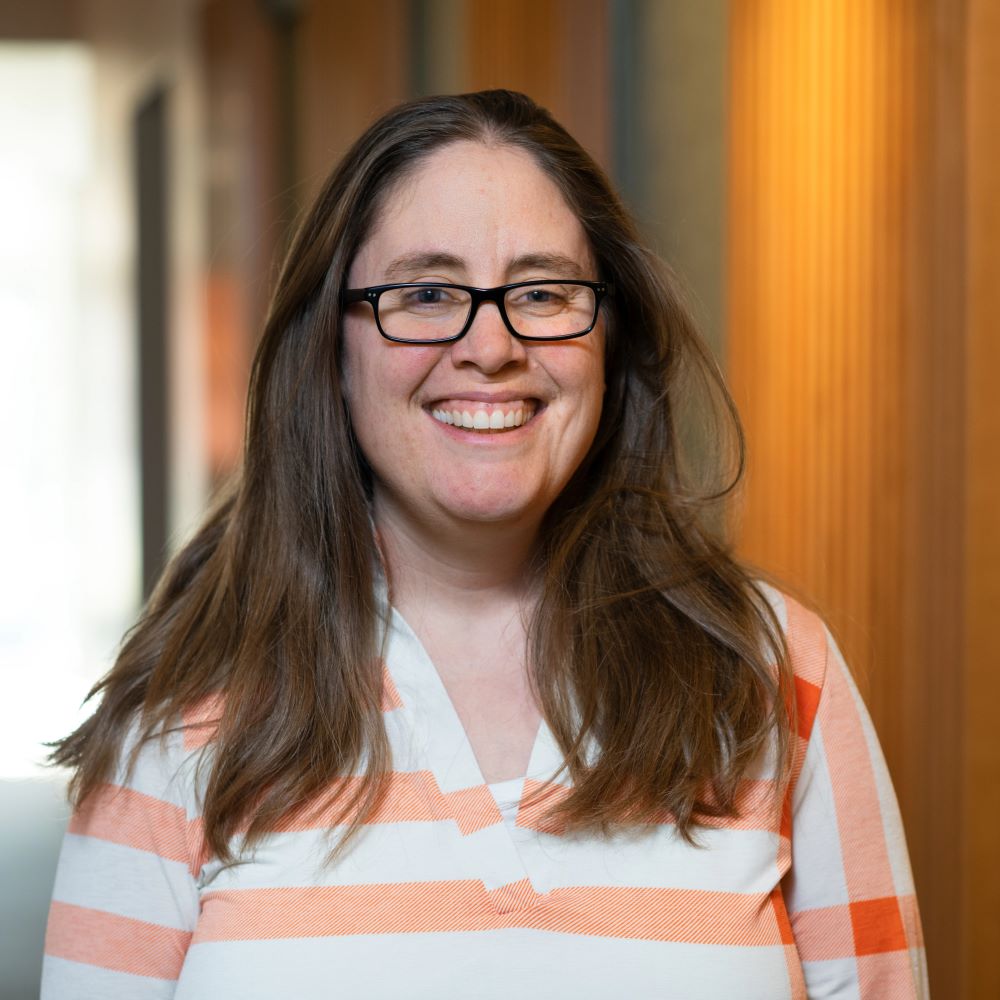
Megan Frederickson
Professor
Ecology & Evolutionary Biology, University of Toronto
2009 – Present
Previous Appointments
Junior Fellow, Harvard Society of Fellows (2006-2009)
Degrees
Ph.D. in Biological Sciences, Stanford University (2006)
A.B. magna cum laude with Highest Honors in Biology, Harvard University (2001)
I study mutualism and symbiosis. ‘Symbiosis’ means two species live together, while ‘mutualism’ means two species benefit each other. Symbioses are often, but not always, mutualisms, and vice versa. Without mutualism and symbiosis, life on Earth would look radically different. Symbiotic microorganisms (the ‘microbiome’) affect the health, development, physiology, ecology, and evolution of most plants and animals, including humans. Mutualism and symbiosis also underpin many critical ecosystem functions, such as pollination, biological nitrogen fixation, and photosynthesis in coral reefs. My research aims to understand how mutualism and symbiosis have shaped the evolution of life on Earth, and how these interactions continue to affect biodiversity in the Anthropocene.
I began my career studying ant-plant symbiosis in tropical rainforests, but as my lab has grown, we’ve branched out to study a wide range of plant-animal and host-microbe mutualisms. Currently, I am developing a high-throughput experimental model of host-microbiome interactions using a tiny, fast-growing aquatic plant, duckweed (Lemna minor), and its microbes. I am also writing a book that synthesizes mutualism and microbiome research.
Current Lab Members
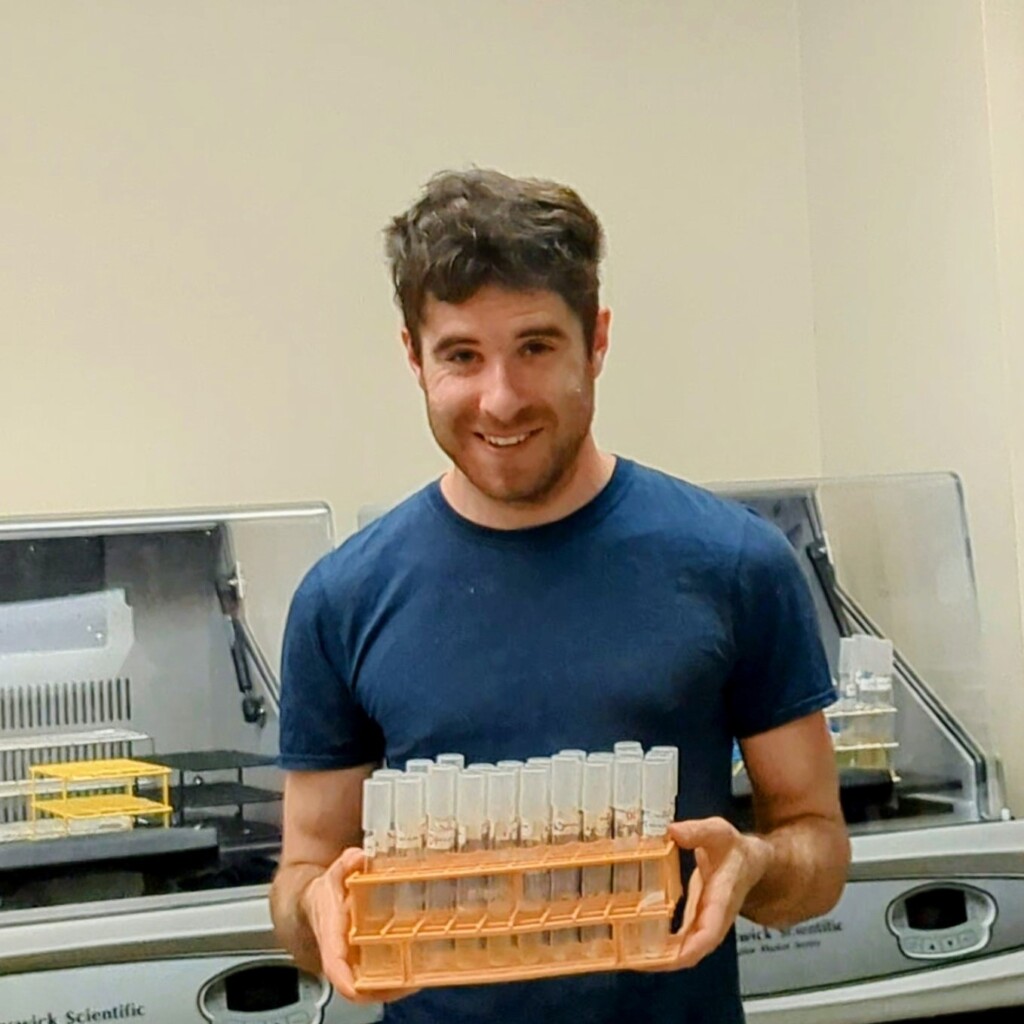
Kevin Ricks
Postdoctoral Researcher
2023 – Present
I’m broadly interested in the evolutionary ecology of host-microbial symbioses, working towards identifying the evolutionary drivers and ecological impacts of host-symbiont coevolution. In the Frederickson Lab, I’m planning on investigating how host-microbe coevolutionary processes may impact higher order community dynamics and functions. Additionally, given the complex molecular environments in which these interactions persist, I also hope to integrate the molecular signaling and chemical ecology of the host-microbiome into the ecology and evolution of these systems. My approach to this area uses plants as a model system, and uses tools such as amplicon and whole genome sequencing, experimental evolution, and in vivo microbiome manipulation.
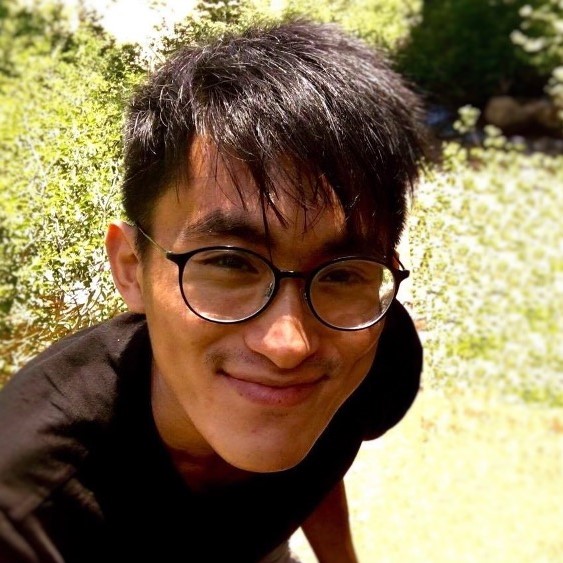
Takuji Usui
Postdoctoral Researcher
2023 – Present
I am an evolutionary ecologist investigating the eco-evolutionary processes that govern species geographical ranges and community assembly. I use a combination of experimental evolution, data synthesis, and field work to test how rapid feedbacks between population genetics and ecology scale up to influence macroecological patterns of biodiversity across space and over time. I am currently testing how coevolution between duckweed plants (Lemna minor, Spirodela polyrhiza, and Spirodela intermedia) and their microbial symbionts alters the dynamics of range expansion and patterns of species coexistence in nature.
Website: https://takujiusui.github.io/
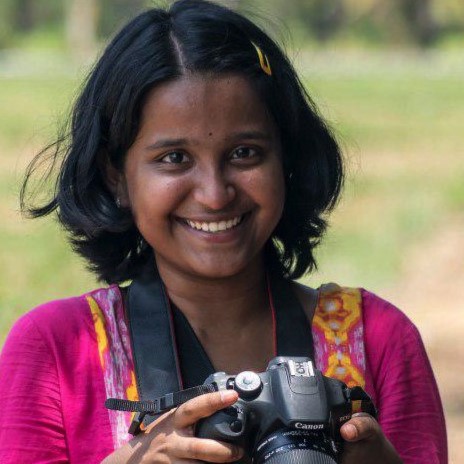
Pooja Nathan
Ph.D. Candidate
2019 – Present
Broadly, I am interested in the ecology and evolution of mutualistic interactions between plants and animals. I hope to shed light on the macroevolutionary impacts of mutualism and the network composition of plant-animal mutualisms involving more than one animal partner.
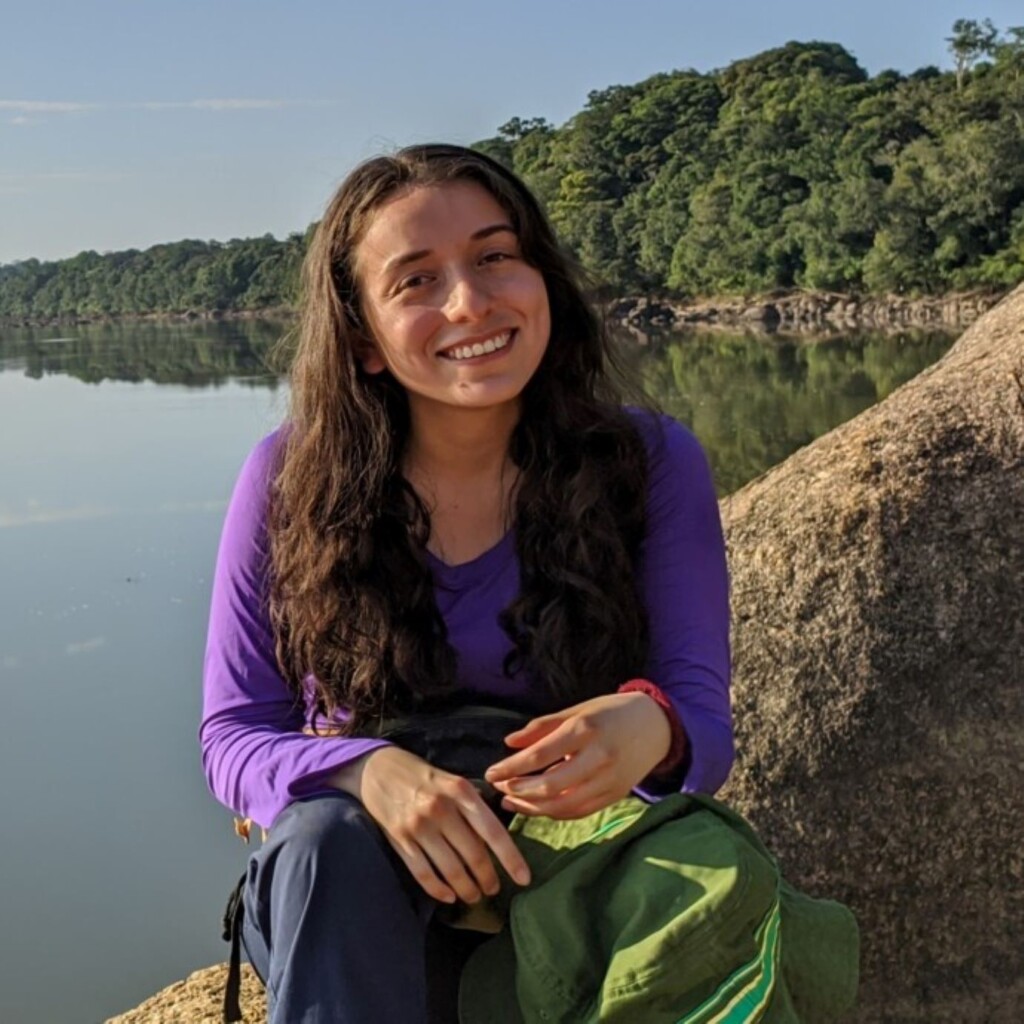
María C. Tocora
Ph.D. Candidate
2020 – Present
Reciprocal selection in symbiotic systems is determined by different selective pressures among populations, and the environmental heterogeneity they are exposed to. I am investigating the genomics underlying reciprocal evolutionary change of host-symbiont interactions by exploring how the genetic structure of ants and their associated symbionts covary across space in the Galápagos Islands and continental South America.
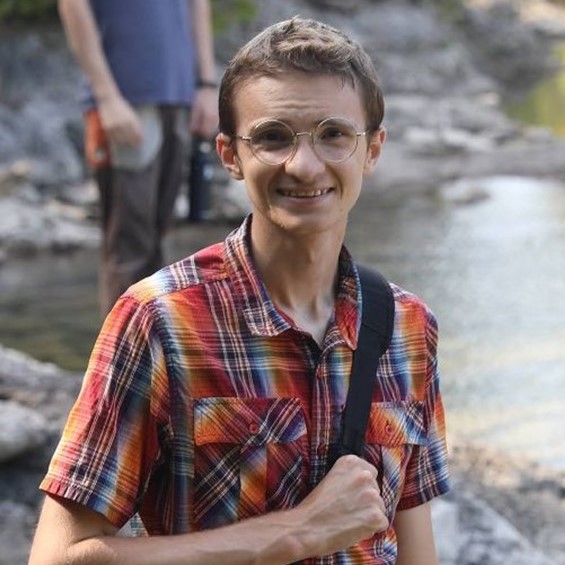
Chris Carlson
Ph.D. Candidate
2021 – Present
I’m curious about the evolutionary genetics of mutualistic coevolution. A few specific questions I’m interested in include:
Does coevolution between mutualists ever end? What forces, biotic and abiotic, shape the coevolutionary process? What role (if any) do cheaters have in the evolution of mutualism? Can mutualistic partners adapt to a rapidly changing world? My research combines mathematical models from game theory and population genetics, with manipulative laboratory experiments to address these and other questions.
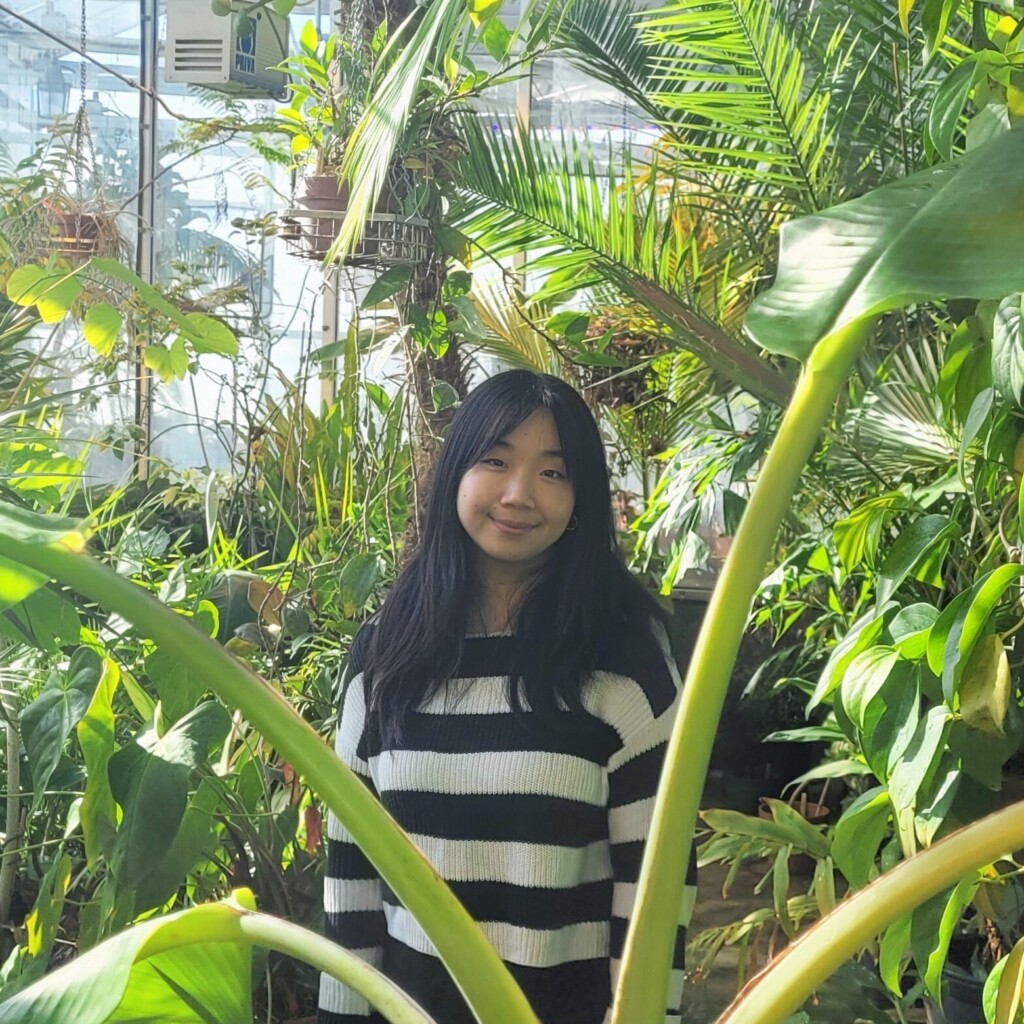
Jessie Wang
Ph.D. Candidate
2022 – Present
I am interested in the dynamics and stability of host-microbe interactions. How do these interactions vary across environmental gradients? How do microbial interactions scale up to affect a host? What determines the core microbiome, and to what extent can we predict the outcomes of host-microbe interactions? To answer these questions, I work with duckweed (genus Lemna), which are small, floating aquatic plants amenable to high throughput experimentation. Through my research, I aim to characterize species interactions across environments and the feedback between hosts and microbes.
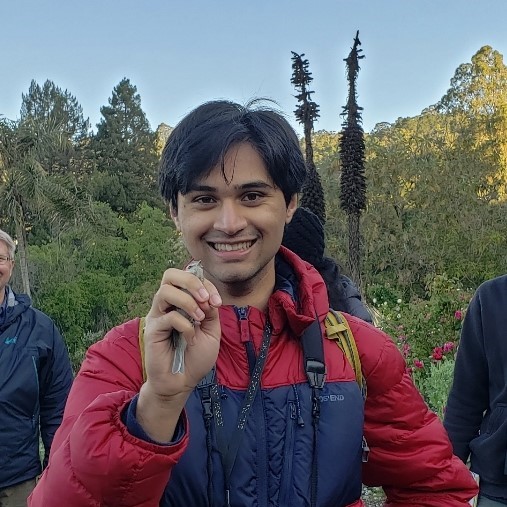
Valmic Mukund
Ph.D. Candidate
2023 – Present
I am fascinated by the complex network of interactions that occur in biological communities across space and time. Through manipulative experiments, I seek to unweave this complex tapestry and better understand how interactions at one level of biological organization may impact interactions at another level. One specific topic I am interested in is the potential impact that bacteriophage viruses may have on legume-rhizobia interactions. Can the parasitism of phage on rhizobia disrupt the legume-rhizobia mutualism and decrease legume fitness? Does phage infection of rhizobia influence which rhizobia strains get incorporated into the nodules of legumes? To what extent do phages, as agents of horizontal gene transfer, actually increase the fitness of rhizobia (and potentially, the fitness of their legume hosts)? During my PhD, I hope to shed light onto the answers to these questions through greenhouse experiments, in vitro experiments, and sequencing.
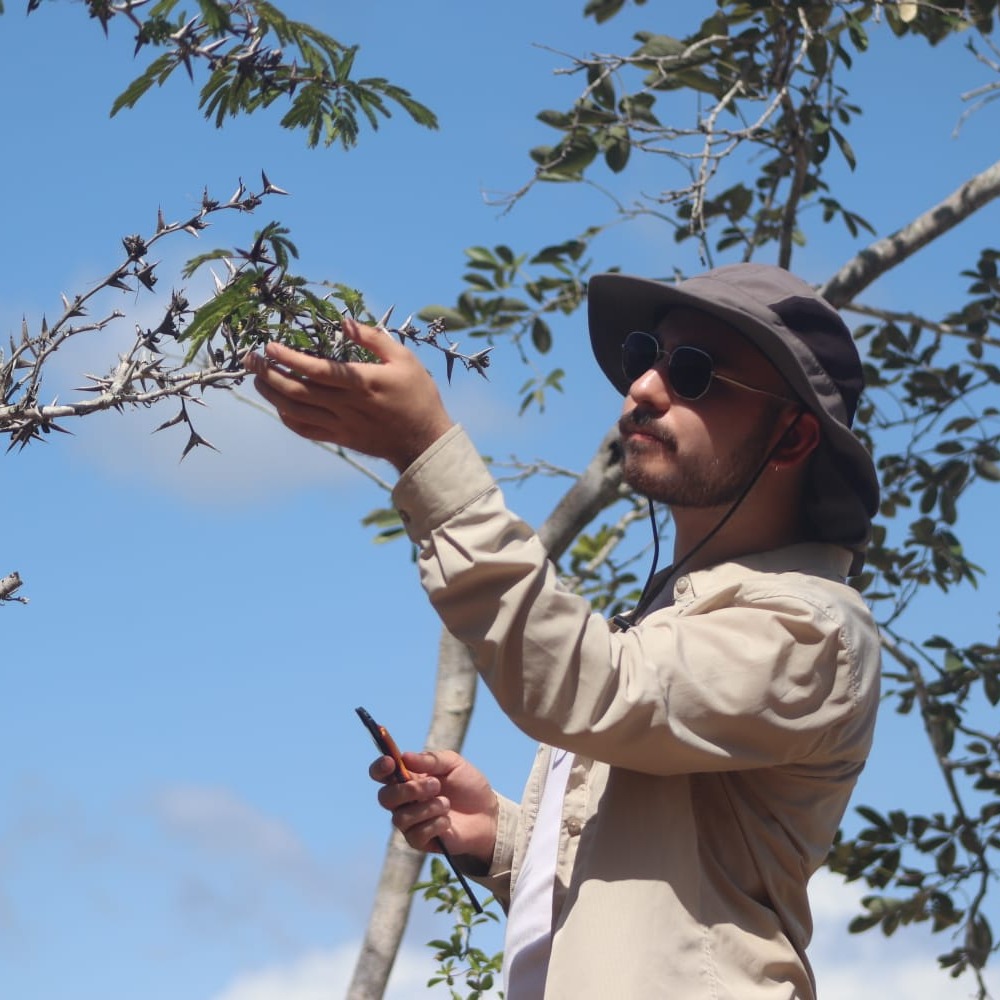
Cristian Molina
Ph.D. Student
2025 – Present
Broadly, I am interested in the ecology and evolution of plant-animal interactions and am particularly fascinated by myrmecophytes, plants that feed and house defending ant colonies. During my dissertation, I am leveraging the iconic mutualism between swollen-thorn acacias and their aggressive ants (genus Pseudomyrmex) to ask broader questions about mutualism. My previous work on ant-acacias examined how the strength of mutualism may vary under climatic perturbations and how interacting with multiple mutualisms (namely, ant protection and biotic pollination) may generate conflicts. Currently, I am interested in further exploring how acacias manage multiple mutualisms and how mutualism may affect the structure of populations.
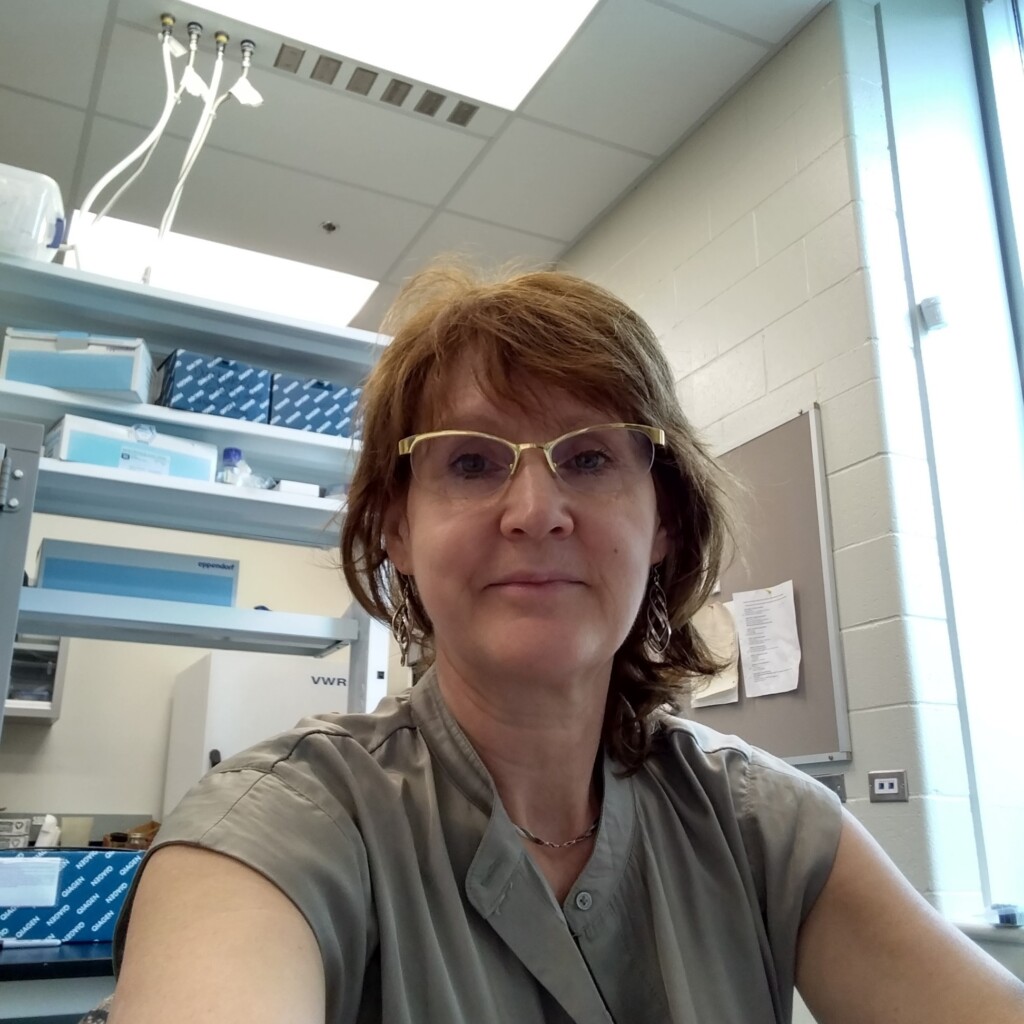
Oxana Pogoutse
Lab Manager
2021 – Present
For many years I worked on projects which were mostly focused on yeast or bacteria proteomes and specific protein-protein interactions within a single cell of these organisms. Since joining the Frederickson Lab, I am excited to switch my research focus to studying interaction on a much larger scale: mutualistic interaction amongst a group of organisms. Currently, we investigate how the growth of a small aquatic plant, Lemna minor, commonly known as duckweed, is influenced by a combination of various biotic and abiotic factors.
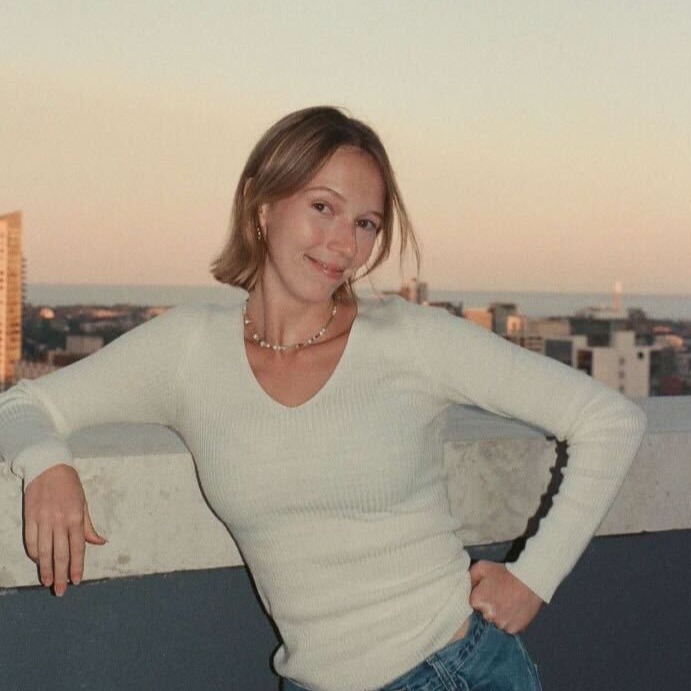
Makenna Brissette
EEB498 Student
2025 – Present
I am studying how microbial, host, and environmental processes interact to shape microbiomes and their downstream effects. My project focuses on priority effects in the Lemna microbiome, examining how the order of microbe arrival influences community assembly and host performance. By manipulating colonization history, host identity, and environmental conditions, I aim to understand how historical contingency generates divergent microbiome outcomes. I am particularly interested in whether microbial adaptation alters the strength of priority effects and if these dynamics vary across hosts and environments.
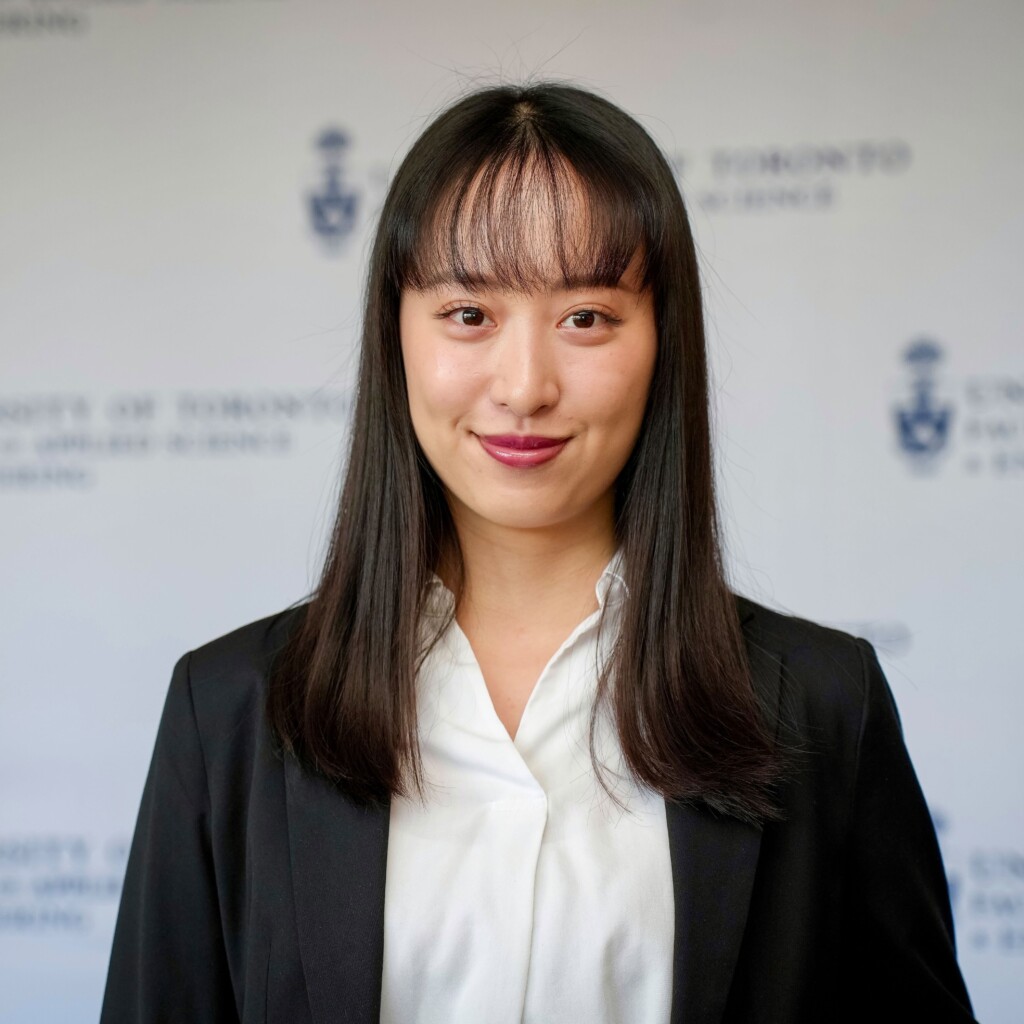
Shin-Ling (Celina) Lai
Work-study student
2025 – Present
I am currently pursuing my Master of Engineering at the University of Toronto Institute for Aerospace Studies (UTIAS). My background includes experience in CAD, FEA, and structural analysis, and I am excited to apply engineering-driven approaches to improve automation and experimental workflows in ecological research. My work focuses on developing the lab’s Jubilee automation platform, a tool-changing system designed to support high-precision ecological experiments. I contribute to hardware assembly and calibration, mechanical troubleshooting, and motion-control programming, and I am happy to support the lab by improving and maintaining a reliable automation system for ongoing research.
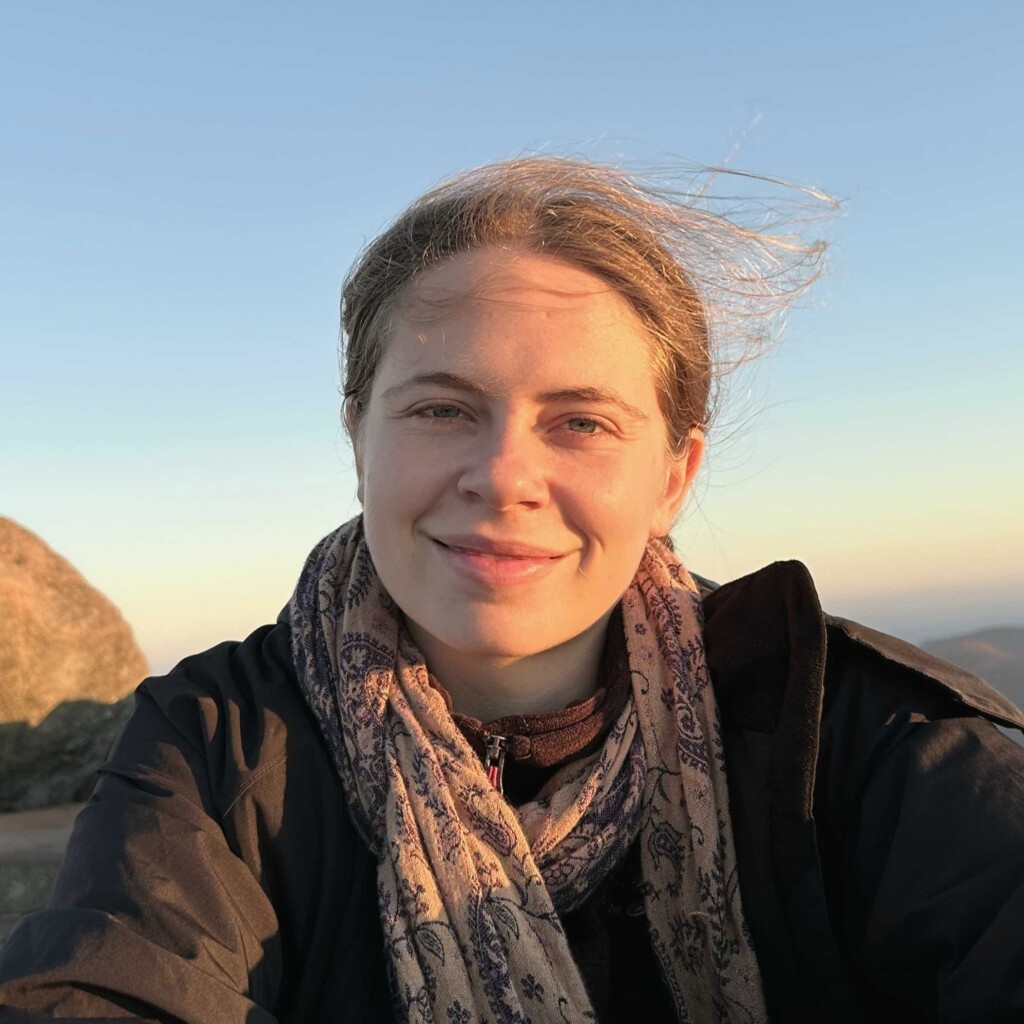
Giulia Rocca
Work-study student
2025 – Present
I am broadly interested in plant mutualism ecology, with a particular focus on intertrophic interactions. My interests include applying evolutionary game theory to plant-animal interactions and examining how these interactions respond to climate change-related stressors. In the Frederickson Lab, I support data collection for multiple experiments and maintain diverse lines of duckweed (Lemna minor).
Lab Alumni
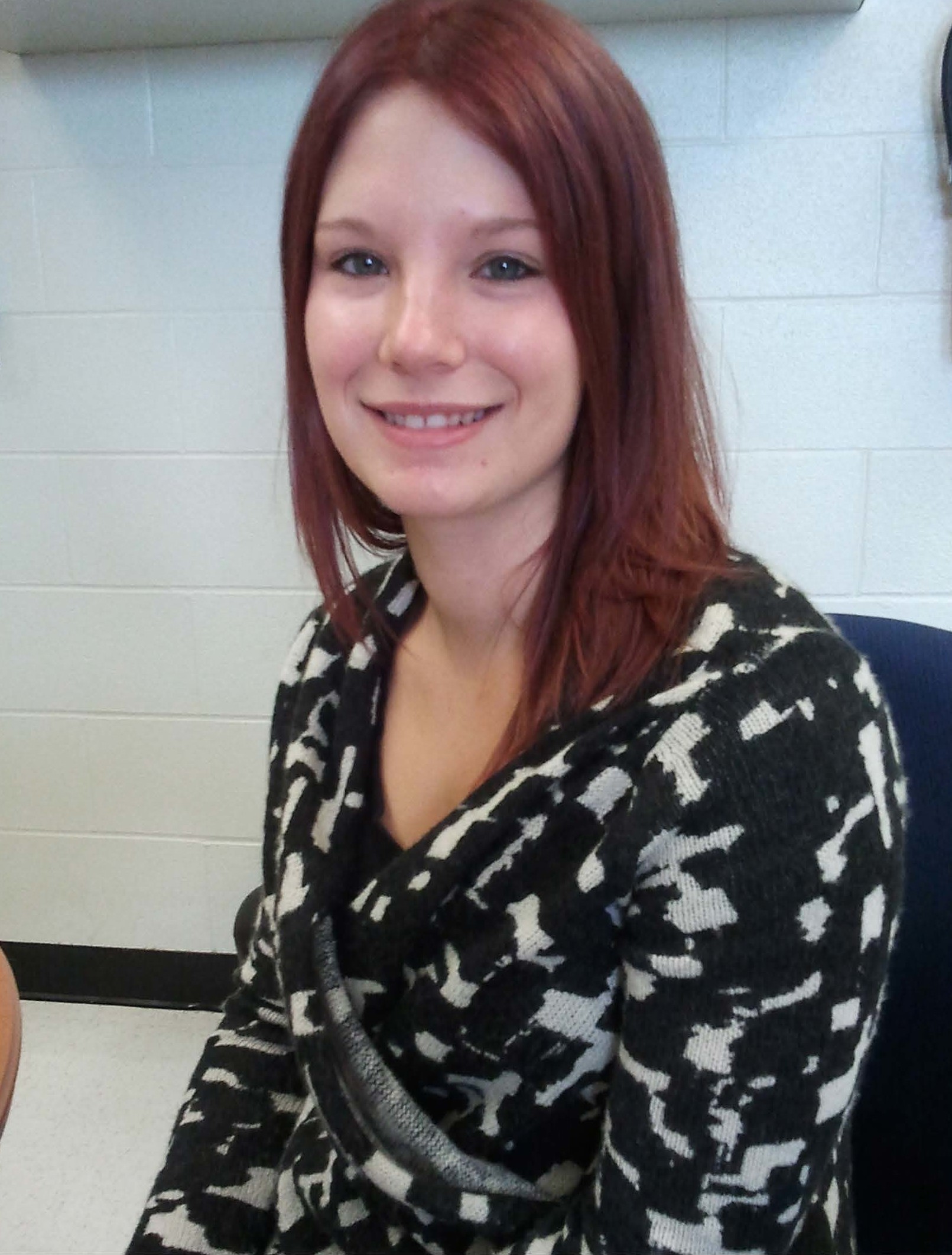
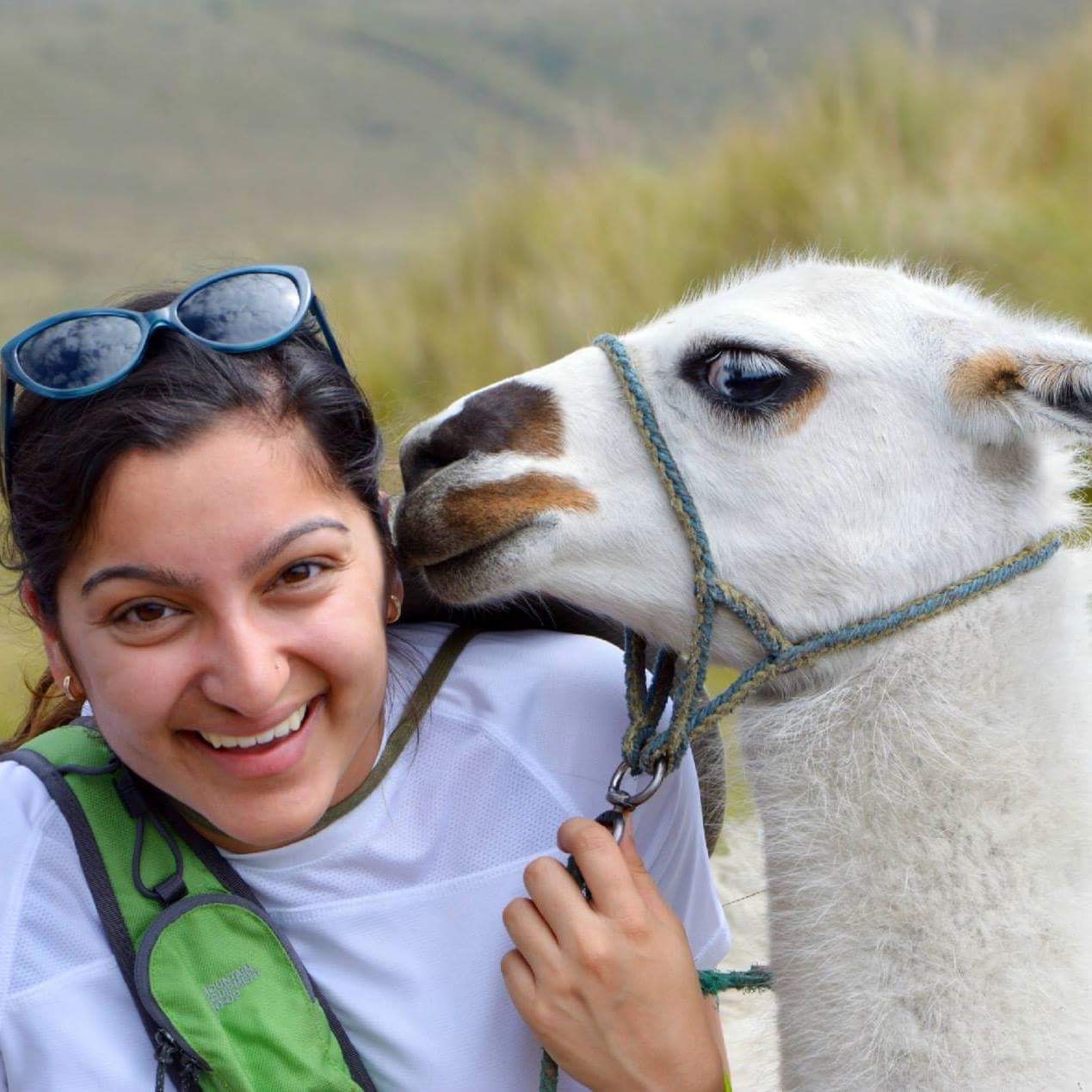
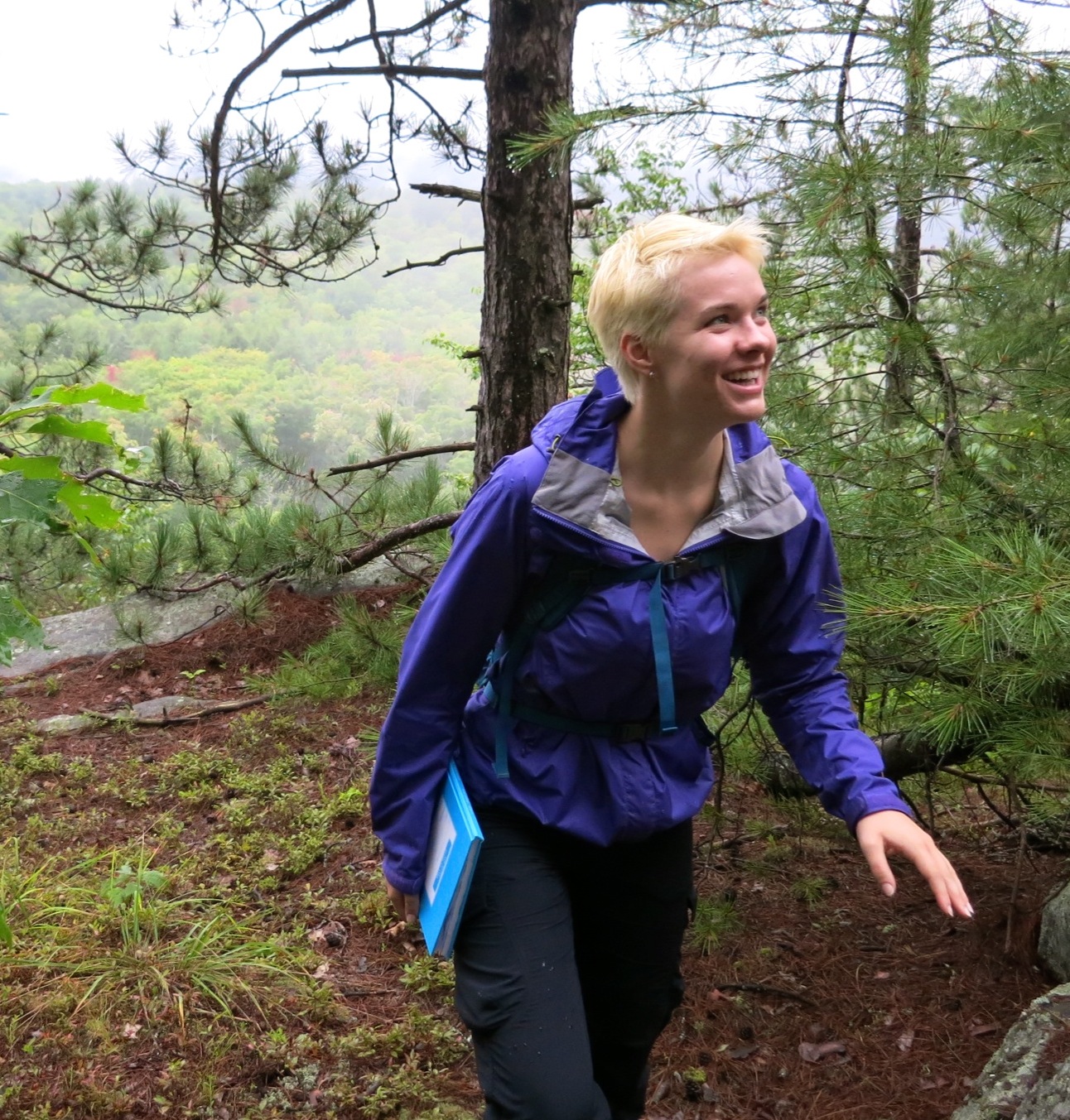
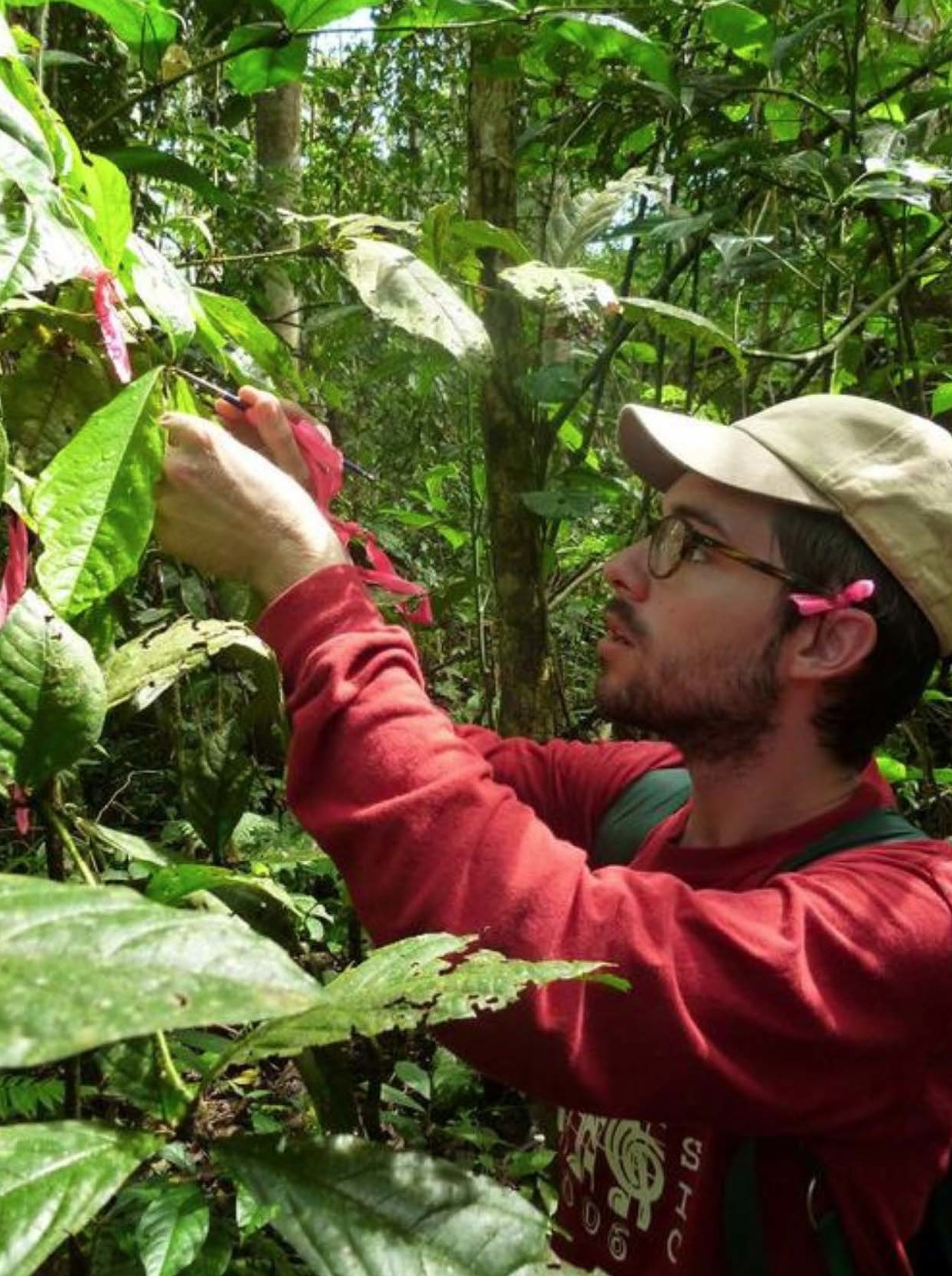
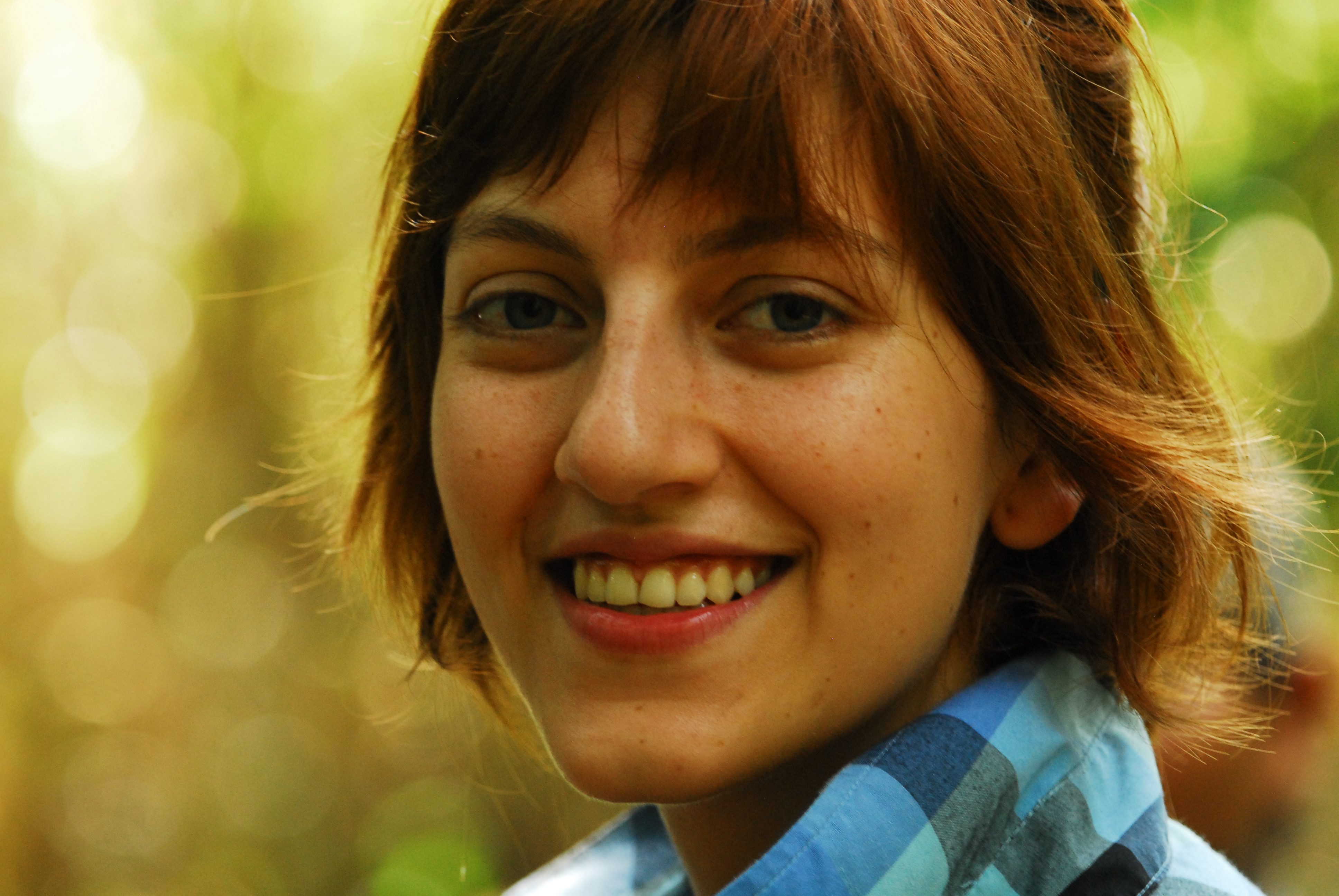
Past Graduate Students and Postdocs
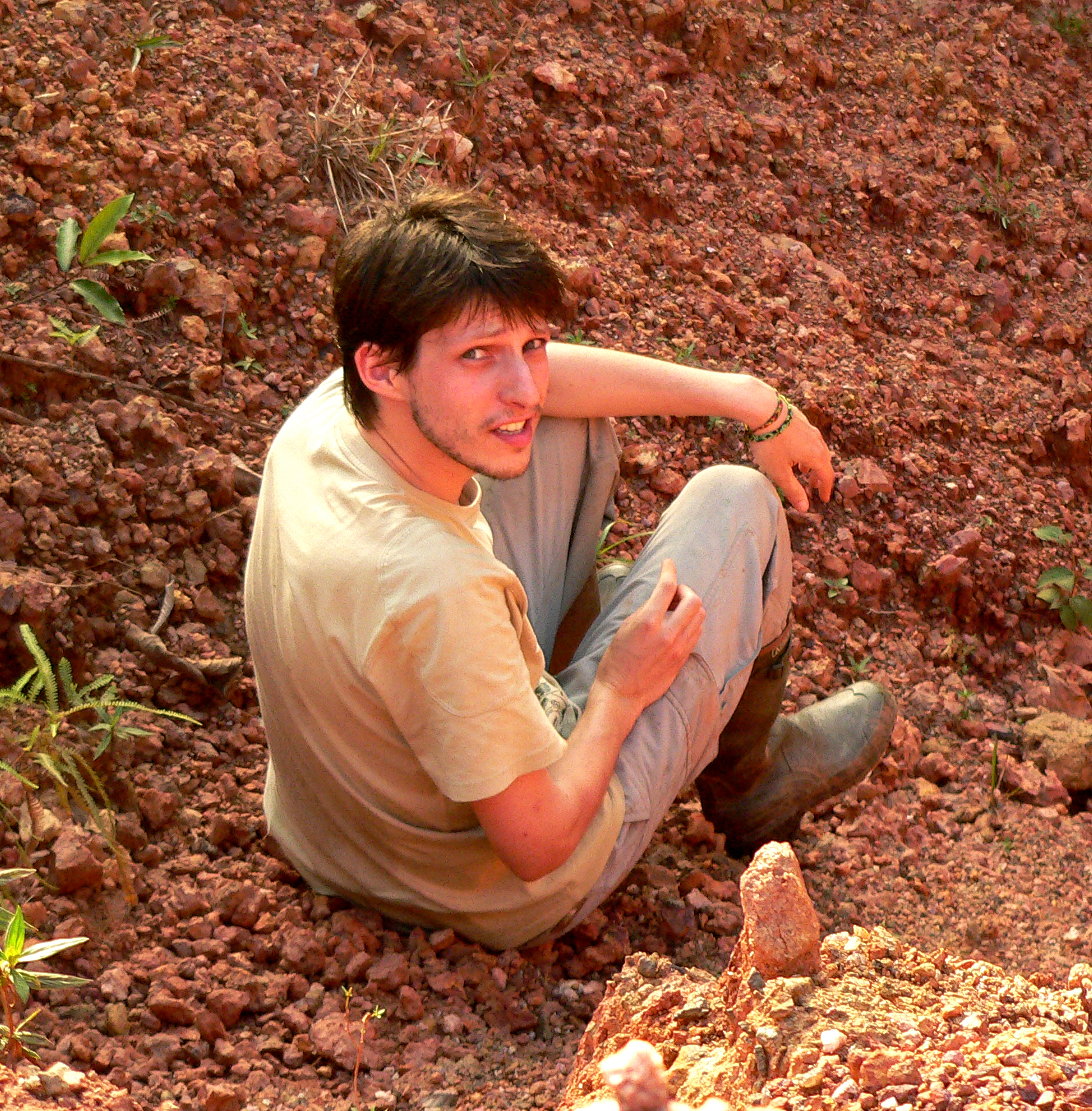
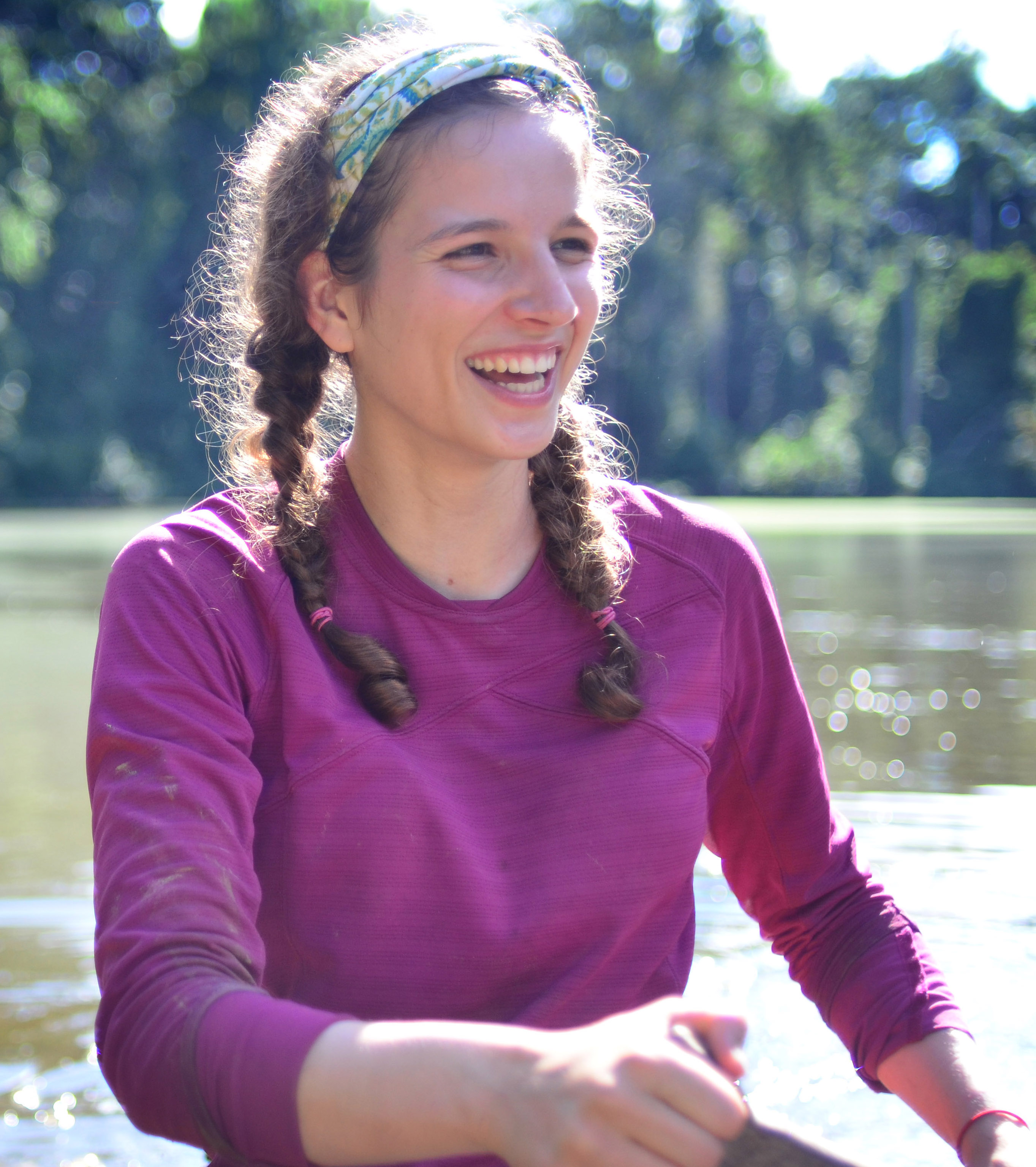
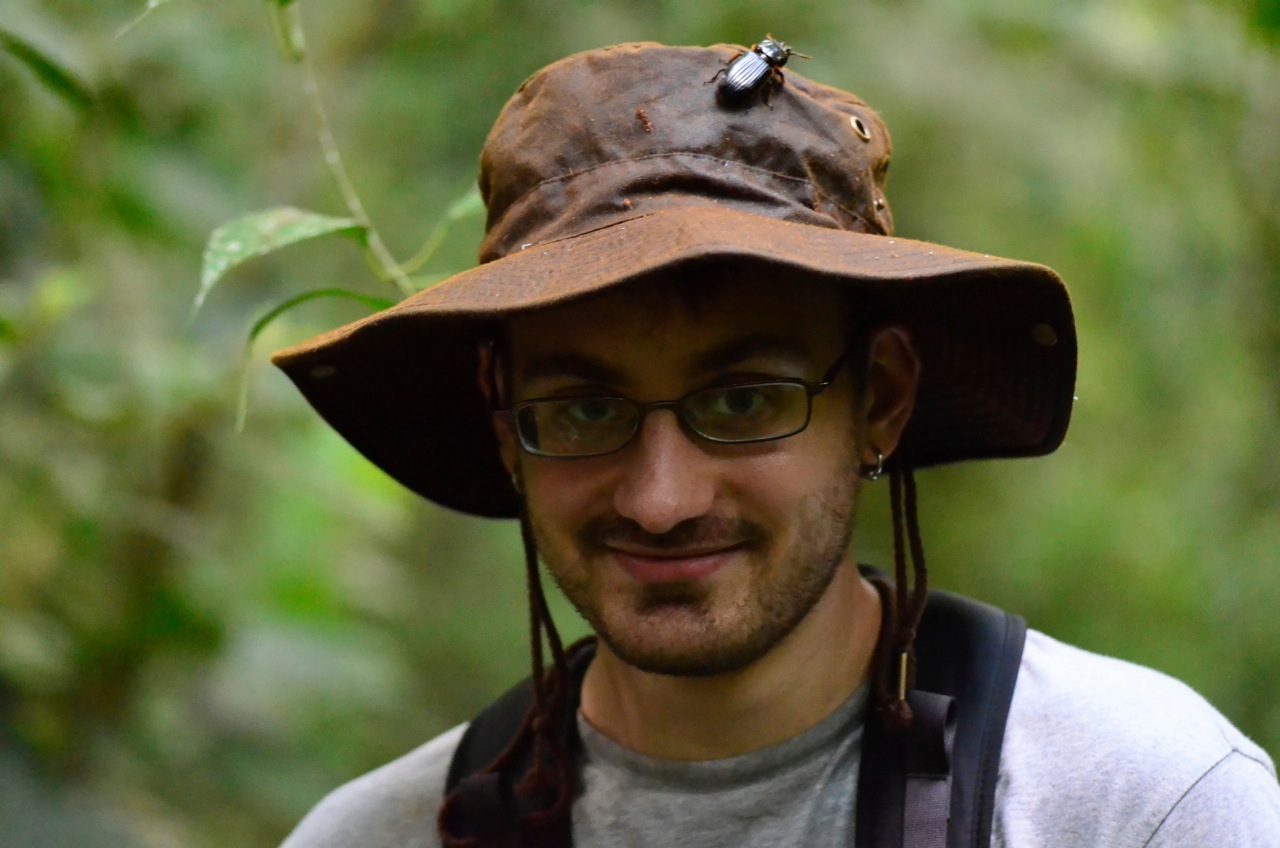
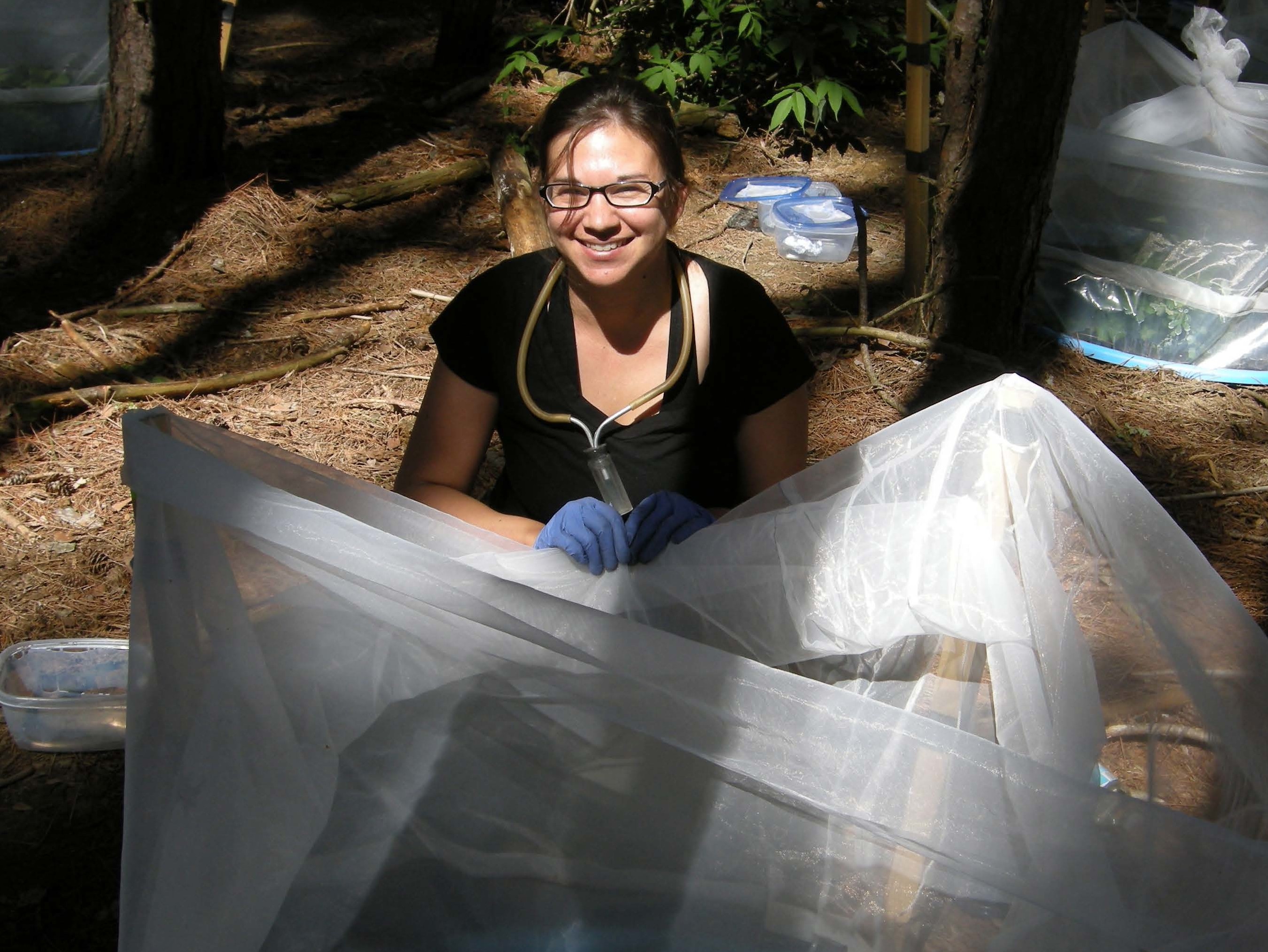
- Erin McHugh, M.Sc., 2023-2025
- Julia Boyle, Ph.D., 2019-2024
- Tia Harrison, Ph.D., 2017-2023
- Jason Laurich, Ph.D. 2015-2023
- Anna O’Brien, Postdoc, 2017-2022
- Christopher Reid, M.Sc., 2018-2020
- Rebecca Batstone, Ph.D., 2012-2018 (top left)
- Mitch Trychta, M.Sc., 2016-2018
- Katrina Kaur, M.Sc., 2016-2018 (top middle)
- Shannon Meadley Dunphy, M.Sc., 2014-2016 (top right)
- Pierre-Jean Male, Postdoc, 2013-2016 (middle left)
- Emily Dutton, M.Sc., 2013-2015 (middle)
- Eric Youngerman, M.Sc., 2012-2014
- Adam Cembrowski, M.Sc., 2011-2013 (middle right)
- Kirsten Prior, Postdoc, 2011-2013 (bottom left)
- Kyle Turner, M.Sc., 2011 – 2013 (bottom middle)
- Lina M. Arcila Hernandez, M.Sc., 2010-2012 (bottom right)
Past Undergraduate Students
- Nishka Srivastava (Work-study, 2022-2024)
- Yash Singhal (EEB397 student, 2022-2024)
- Mila Gorchkova (EEB399 student, 2019-2020)
- Christopher Reid (EEB498 student, 2017-2018; NSERC USRA, summer 2018)
- Luxiang Wang (NSERC USRA, summer 2018; Centre for Global Change Science intern, summer 2016)
- Caroline Biel (EEB299 student, 2017-2018)
- Daniel Li (EEB399 student, 2017-2018)
- Nathaniel (Atticus) Murphy (EEB498 student, 2017-2018)
- Christopher Knox (EEB299 student, 2016-2017; Centre for Global Change Science intern, summer 2018)
- Emma Lash (Centre for Global Change Science intern, summer 2017)
- Judith Li (EEB399 student, summer 2017)
- Tianbi (Abby) Wu (EEB498 student (summer 2017)
- Xue Zhang (EEB399 student (2016-2017)
- Xin (Carol) Chen (EEB299 student, 2016-2017)
- Meghan Huskisson-Snider (NSERC USRA, fall 2016)
- Susan Gordon (NSERC USRA, summer 2015)
- Aadiyat Ahmad (EEB498 student, 2014-2015)
- Madeline Peters (EEB299 student, 2014-2015)
- Michael Liu (EEB299 student, 2014-2015)
- Simran Dhunna (Work-study, 2014-2015)
- Shannon Meadley Dunphy (EEB399 student, summer 2012; Work-study, 2012-2013; EEB 498 student, 2013-2014; NSERC USRA, summers 2013, 2014)
- Donglin Wang (Work-study, 2013-2015; Research assistant, summer 2014)
- Elaine Luo (EEB498 student, 2013-2014)
- Shreeram Senthivasan (EEB397 student, 2013-2014, work-study 2014-2015)
- Molly Yang (EEB299 student, 2013-2014)
- Neil Macalasdair (EEB299 student, 2013-2014)
- Lauren Moretto (EEB399 student, summer 2013)
- Gloria Cho (EEB399 student, summer 2013)
- Jackie Awad (EEB399 student, summer 2012; Work-study, 2012-2013)
- Margaret Thompson (Volunteer, 2012-2013; Work-study, 2011-2012)
- Kyle Gaynor (EEB498 student, 2012-2013)
- Harry Rusnock (EEB299 student, 2012-2013)
- Kriti Saxena (Volunteer, summer 2012; EEB299 student, 2012-2013)
- Jennifer Robinson (NSERC USRA, summer 2012)
- Viviana Astudillo (Work-study, 2010-2012) – check out her talent outside the lab: http://www.youtube.com/watch?
v=HQtDhj_MaHY&feature=youtu.be - Emily Dutton (NSERC USRA, summer 2011)
- Erinn Todd (EEB399 student, summer 2011)
- Reem Tawfik (Work-study, summer 2011)
- Ishita Aggarwal (Work-study, 2010-2011)
- Melissa Donnelly (Volunteer, 2010-2011)
- Annabelle Ong (Volunteer, 2010-2011)
- Kyle Turner (NSERC USRA and EEB499 student, 2010-2011)
- Greg Booth (EEB399 student, summer 2010)
- Alison Ravenscraft (Field assistant, 2009-2010)
PAST LAB MANAGERS and TECHNICIANS
- Emily Dutton (2015-2016)
- Adam Cembrowski (2013-2014)
- Jackie Day (2012-2013)
- Emma Hodgson (2011)
The Lab Through the Years
MAY 2023
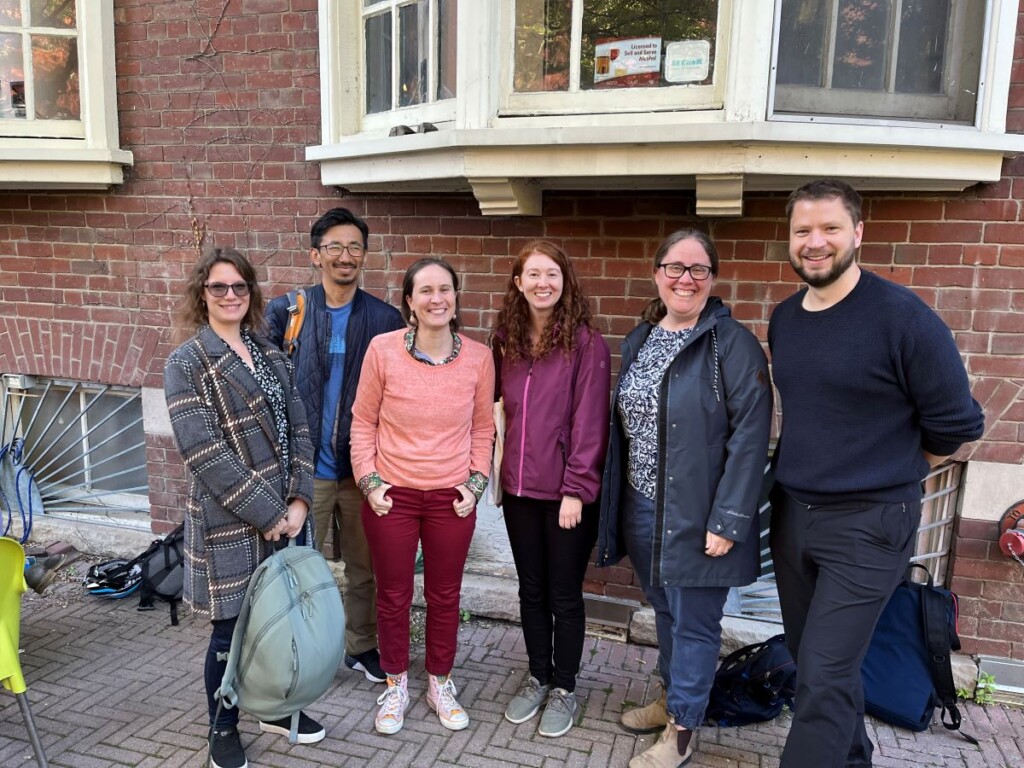
From left: Rebecca Batstone, Sangay Bhutia, Anna O’Brien, Tia Harrison, Megan Frederickson, Jason Laurich.
Fall 2019
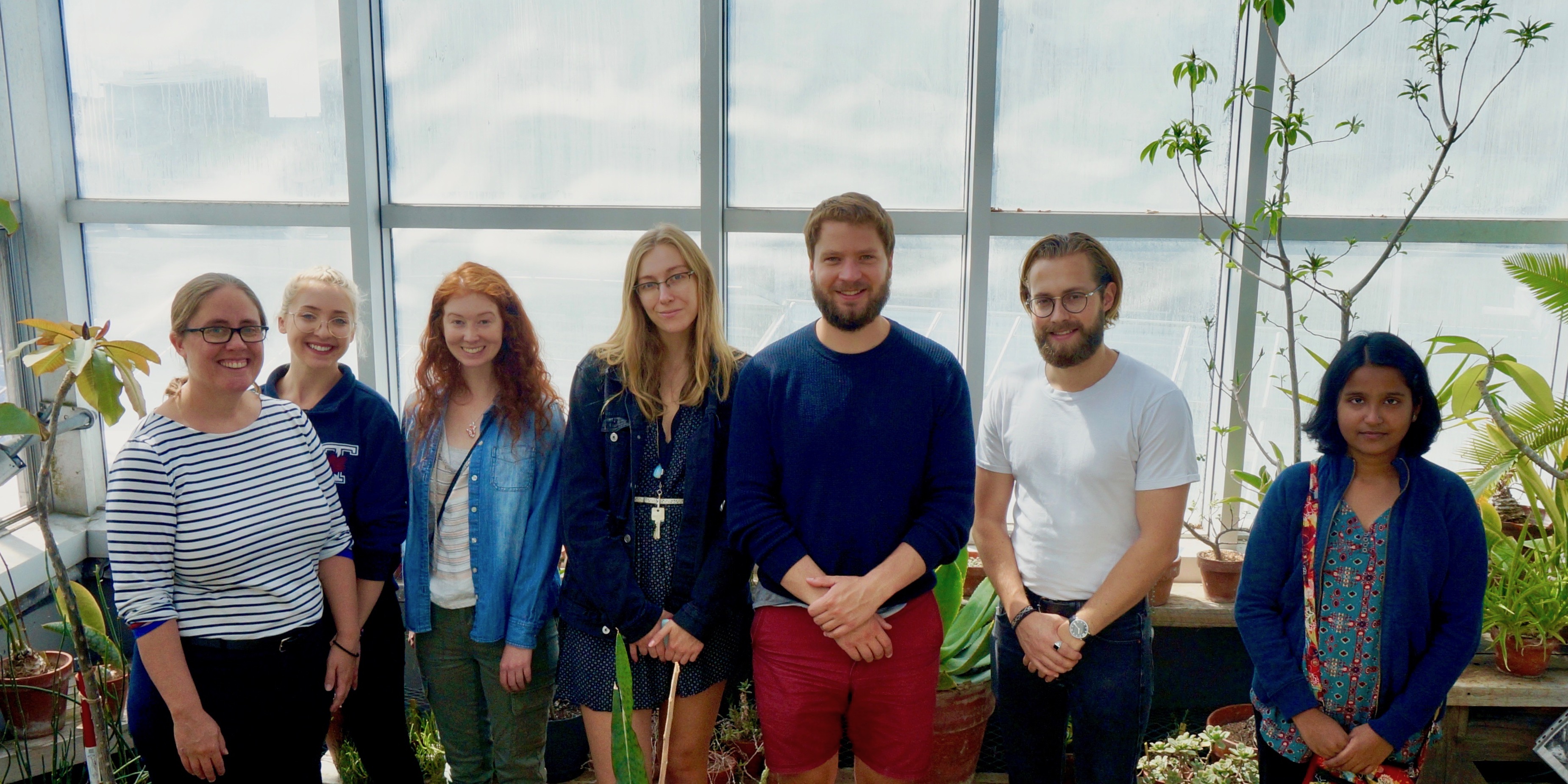
From left: Megan Frederickson, Mila Gorchkova, Tia Harrison, Julia Boyle, Jason Laurich, Christopher Reid, Pooja Nathan.
Spring 2017
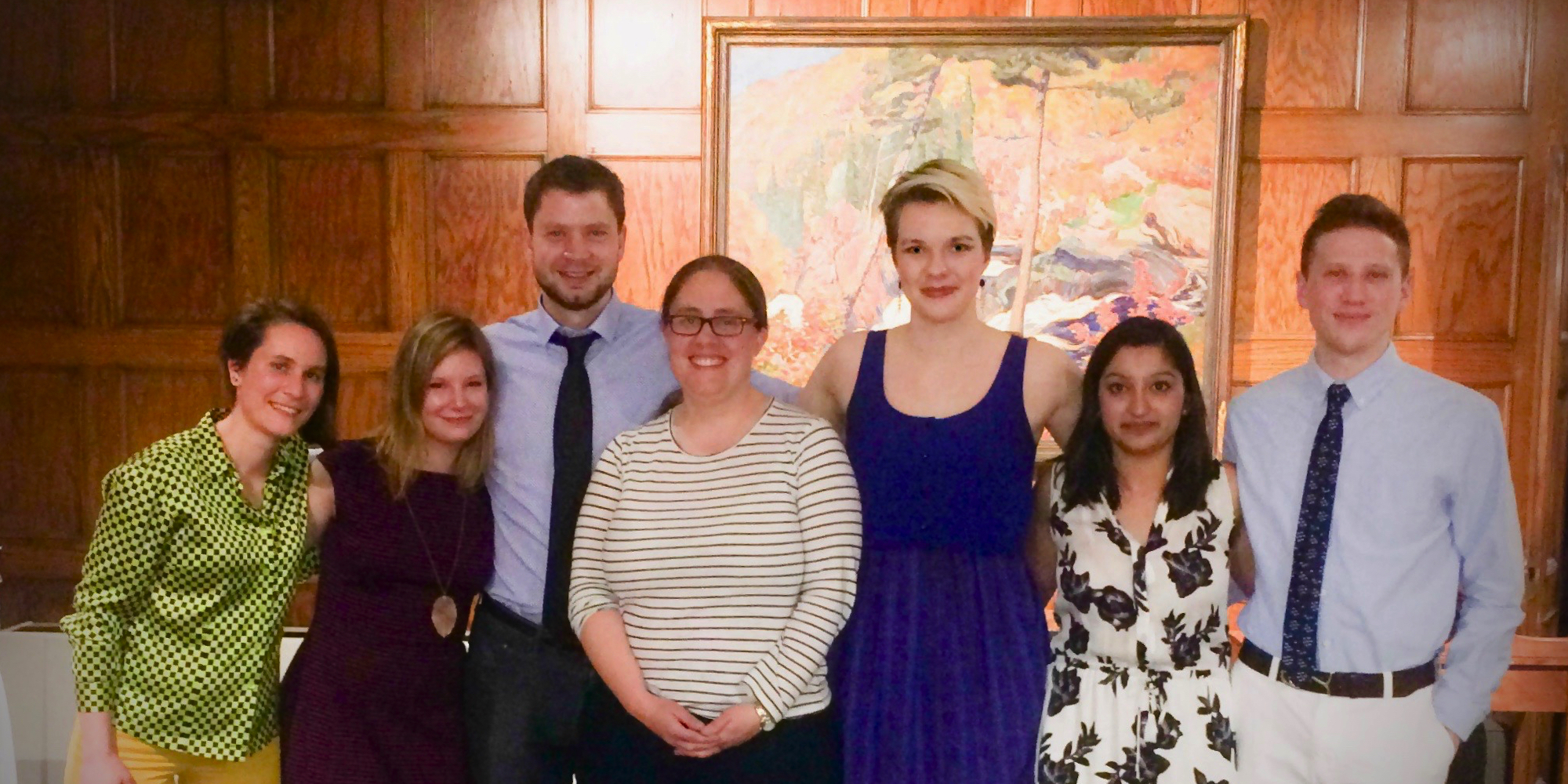
From left: Anna O’Brien, Rebecca Batstone, Jason Laurich, Megan Frederickson, Shannon Meadley Dunphy, Katrina Kaur, Mitch Trychta.
Summer 2014
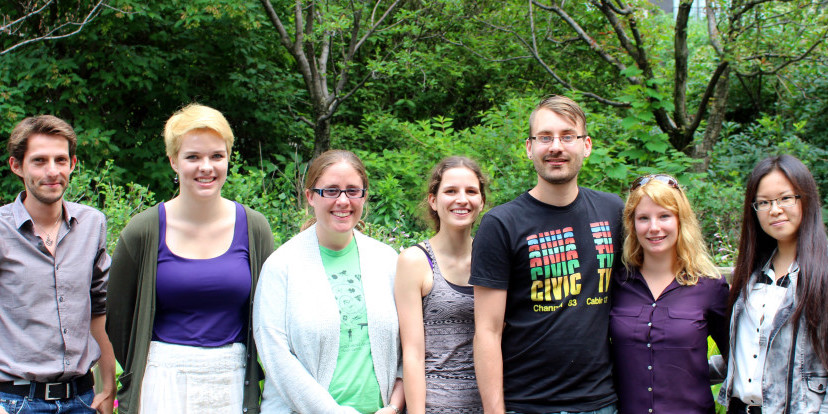
From left: Pierre-Jean Malé, Shannon Meadley Dunphy, Megan Frederickson, Emily Dutton, Adam Cembrowski, Rebecca Batstone, Donglin Wang.
Fall 2012
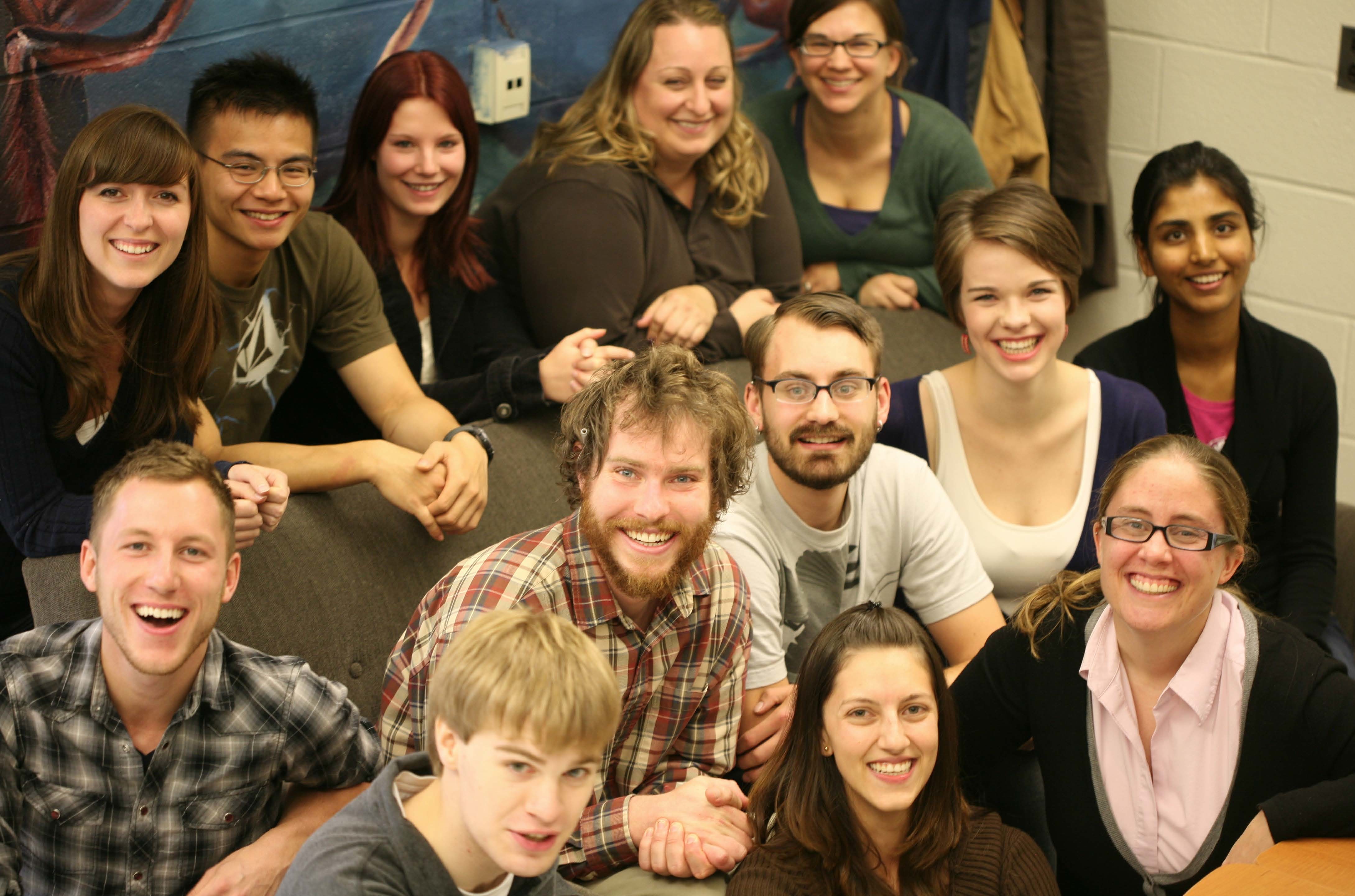
From left, top row: Jackie Day, Eddie Ho, Rebecca Batstone, Margaret Thompson, Kirsten Prior. Middle row: Kyle Gaynor, Eric Youngerman, Adam Cembrowski, Shannon Meadley Dunphy, Kriti Saxena. Front row: Harry Rusnock, Lina Arcila Hernandez, Megan Frederickson.
Spring 2011
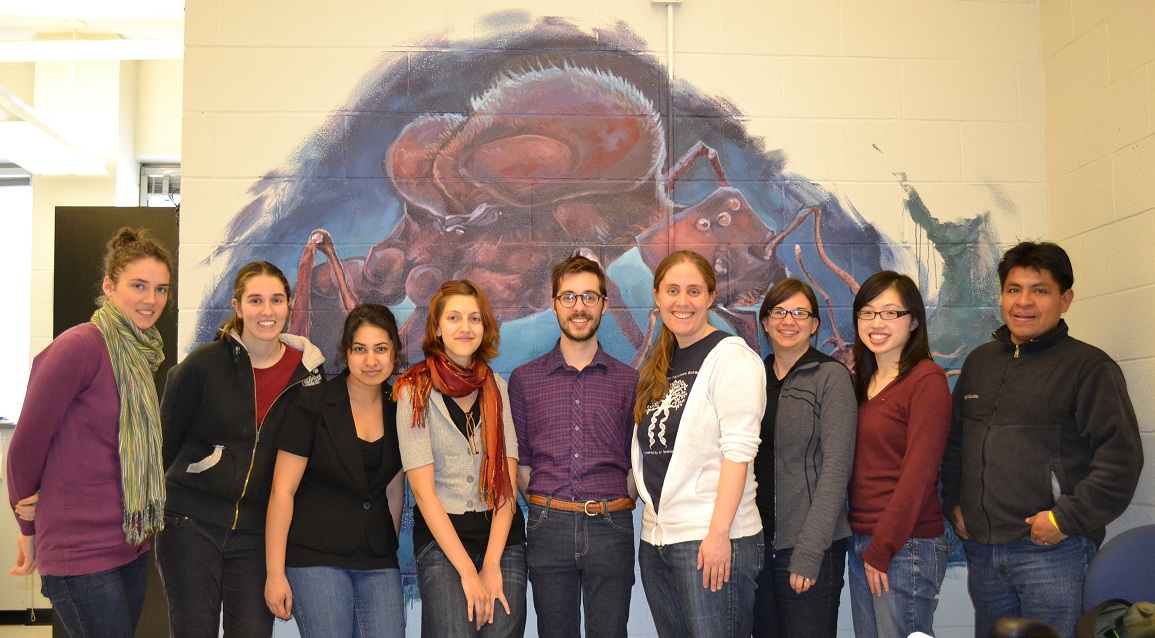
From left: Emma Hodgson, Melissa Donnelly, Ishita Aggarwal, Lina Arcila Hernandez, Kyle Turner, Megan Frederickson, Kirsten Prior, Annabelle Ong, Antonio Coral.